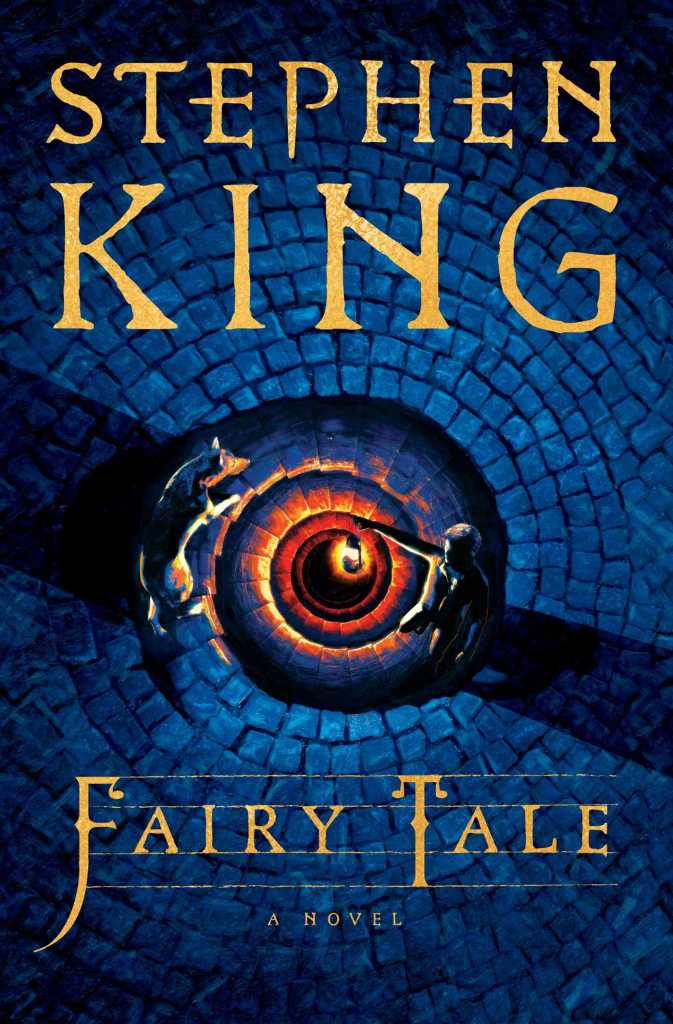
During November’s month-long rush to write a 50,000 novel, I often pick a book to read to inspire my writing. Last year it was Patrick Rothfuss. This year is Stephen King’s Fairy Tale.
The book was recommended to me because of my interest in the merging of the supernatural and mundane, and since it touches on grim fairy retellings, it seemed like a fitting match for my own novel. Now having finished it, I will admit I have mixed feelings.
Hyper-Realism
One of the biggest strengths of this book is its description, setting, and aesthetic. The story spends far more time in the daily nitty-gritty details of the protagonist Charlie’s real life than I expected, weaving backstory trauma with regular meals and bathroom trips. The deliberate pace replicates much of what I loved about Rothfuss’ The Name of the Wind by bringing the world to life. It makes each step believable and palpable.
This way when Charlie finally enters the fantasy world, the story brings the larger than life feelings with it.
Then the magic and eldritch horrors hiding under the surface are introduced gradually, giving the reader time to suspend disbelief and embrace this new world as something real.
One of my favorite sequences is when Charlie enters the haunted city of Lilimar, and the city itself seems to be alive.
The way King uses the setting and something as simple as butterflies to make the world come to life is really what makes this story worthwhile.
Narration
The narration is the other piece that stands out to me because I loved Charlie’s first-person voice, though the way he narrates some of the story bothered me.
Charlie has a unique voice that grabs the reader from the first few pages and breathes life and believability into the novel. His past trauma is vivid, his darkness is relatable, and most of his actions and thoughts are believable for a teenager.
But for the first half of the novel, he has the frustrating habit of telling the reader what is going to happen on the next page in ominous statements and then showing the events in heavy detail. This leads to a repetitive and pace-killing plod. When he finally stops hinting at what happens on the next pages and simply lets the story play out, the book becomes three times as intriguing.
Finale
Honestly I wanted the book to be scarier. I wanted the early pacing to be quicker, and I have mixed feelings about the blatant use of HP Lovecraft’s ideas, but the actual storytelling and the climax is satisfying. The way Stephen King ties Charlie’s traumas into his ability to overcome the obstacles is entertaining and truly excellent character writing.
So even though it was not everything I wanted the novel to be, I am glad I read it, and it has inspired me.
What similar books should I read next?
 Grant Pearson
Leave a comment