I love Vikings. Lots of people do, but there have been times when Vikings have gotten a pretty bad rap.
Growing up, I wanted to know why some people did not like them. Now, I understand it is because they got their reputation in a similar way to pirates: they were considered an outside threat to the main European power structure.
As a young adult, I was seriously fascinated by the History Channel’s TV show Vikings, which ran from 2013-2020.
Leading actor Travis Fimmel played the iconic Ragnar Lothbrok, who rises from the rank of a poor farmer to the king of the Vikings and beyond.
His charisma on-screen was captivating, and it was frankly a shame when he left the show after season 4.
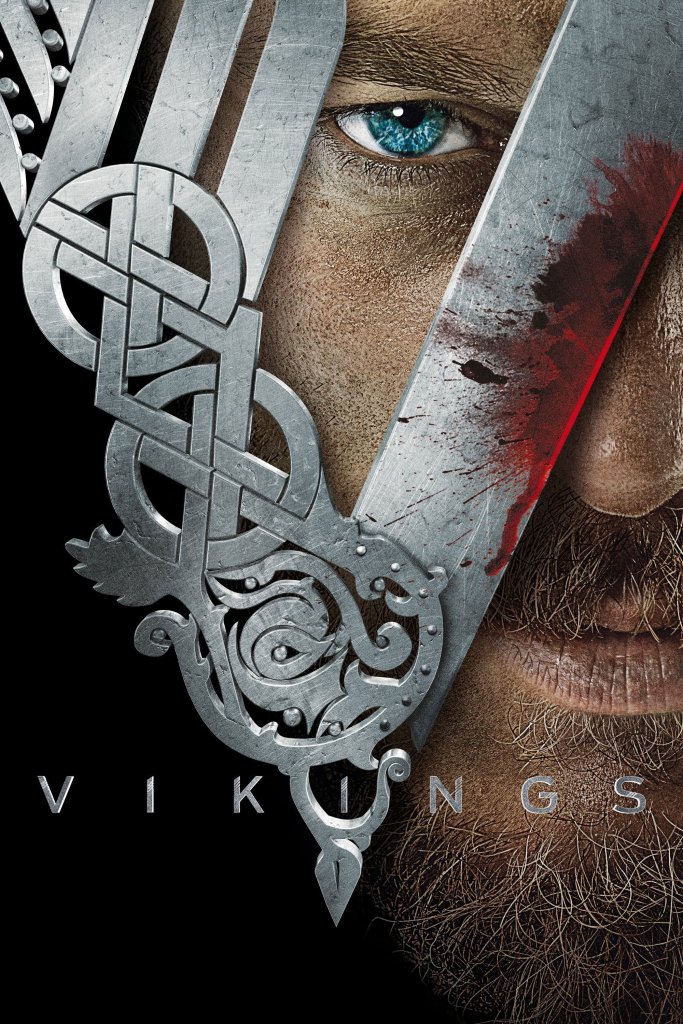
The best part of the show was the exploration of Viking culture that included the good, the bad, and the ugly. There were mild historical discrepencies, but one of the big ideas of the early seasons was to showcase the differences between main European culture and that of the Vikings.
The vikings were personified as products of their bleak homeland. Many wished simply to be farmers, but that was not always an option, and war was a constant. In addition, their religion glorified a warrior’s death. On the other hand, their culture gave more rights to women than most other countries did for hundreds of years to come: allowing women to both own property and fight as equals amongst the men.
Finally, there was the strategic minds of the time. Their combat prowess was terrifying, and the use of the shield wall was incredibly effective against much of the European tactics. In addition, their Norse longboat technology was more than a hundred years ahead of their neighbors, granting them speed and flexibility that allowed them to raid and pillage without warning.
So yes, Vikings were brutal killers, rapists, and thieves. But they were far from the only ones. After all, most of the European kings and nobles did not attain or keep their power without an equal amount of bloodshed. Their process simply looked different.
My favorite sequence takes place at the end of Season 3. It showcases the difference between a Viking funeral procession and the European equivalent: a high-energy celebration of life vs a somber religious rite.
I really appreciated what felt like an honest take on the Viking culture, and the way the show repeatedly posed the question: Who were the real barbarians?
Was it the people who crucified those who were different from them? Or the people who cut open their sworn enemy’s backs and pulled their lungs out in a blood eagle? Was it the people who shut their knowledge and women behind closed doors under the guise of religious fervor? Or the people who consented to ritual suicide to appease their gods?
They both kept slaves. They both declared war. They both wanted more land, resources, and honor in battle. In the end, they were all killers and thieves.
Vikings just don’t make excuses about it.
 Grant Pearson
Leave a comment