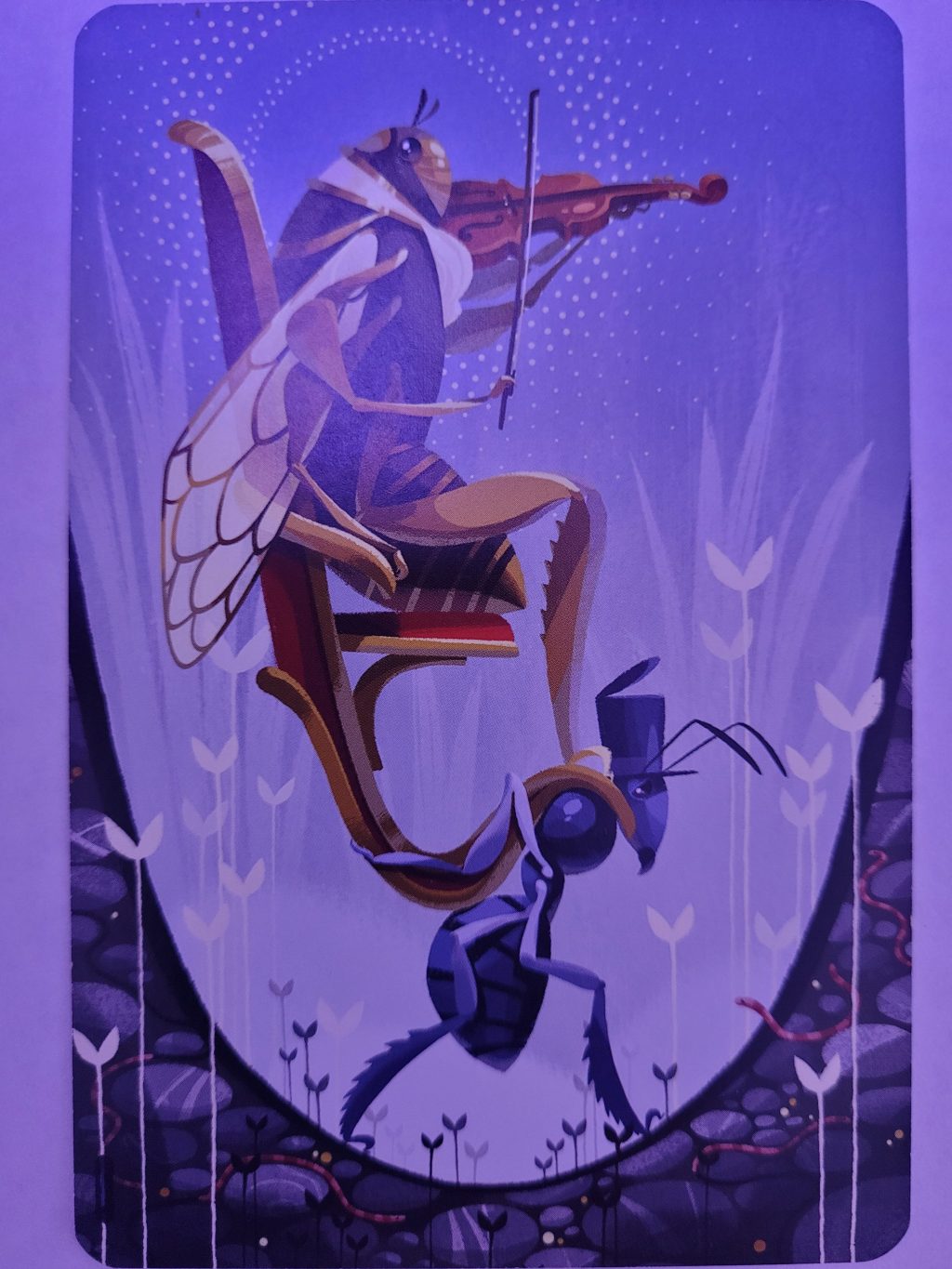
He missed the sound of her violin the most, he decided as he trudged across the hill’s ridgeline. He paused to readjust his backpack and listen to the wind, which was the only sound that could be heard out here other than his breathing and the occasional bird. It was beautiful, he regretfully admitted: the fresh, lonely, unforgiving air.
He had all the time in the world now to think back across their life together. They had played in a band together in high school: her with her violin, and him with his trombone. He’d fallen in love with her at some point there. He’d adored her dark eyes and darker humor, and the way the violin had always seemed like an extension of her being in a way he could never manage.
It wasn’t until the end of high school that he’d gotten up the courage to ask her out. He’d never forget their third date, when she said, “If we’re going to continue this, I need you to promise me two things: one, I want to play my violin at our wedding; and two, someday you’ll hike with me across the country.”
He’d managed the first one easily enough. But for the latter, he had always made excuses: not enough time, not enough money, what about the kids? What about her ailing mother? Neither of them had ever been particularly athletic, and he had become even more self-conscious about it as his arthritis worsened.
She had developed Alzheimer’s at a surprisingly early age. He couldn’t have imagined a worse disease than one that stripped people of their memories and very personality. That was bad enough, but what was worse was the one day she recognized him again after a hundred of not. She had apologized endlessly, had promised to cook dinner, and play the violin like she used to do every evening while he read a book. But she couldn’t, and then she’d forgotten him again.
So now he did the only thing he could: he carried her ashes in his pack, along with all the rest of his gear. And he staggered, and hiked, and paused to rub his wrists and knees and to sit on a stump until his ankles stopped throbbing. He was only mostly certain he would make it all the way to the other side of the country. His kids had told him not to go, or at least not to go alone. And he had said, “Don’t worry, I’m not.”
He kept tramping along. He had to do this for her. He didn’t want to face her again without having done this.
There was one comfort in all the joint pain, rocky terrain, and stewed beans: Sometimes when he stopped in the evening, and it got really quiet, and the stars came out, he thought he could hear echoes of her violin in the distance.
Maybe, he thought, maybe she was still here with him. Maybe it wasn’t too late for him to fulfill his promise. And maybe she would forgive him when he saw her again.
The Inspiration
 Grant Pearson
Leave a comment